Exercising with Chronic Illness: Flexible Consistency
Raise your hand if you’re chronically ill and have started an exercise routine just to get a flare up a month or two in and never go back to it. My hand is up! I can’t tell you how many times I did this in the early days of trying to get a handle on my health. As someone with endometriosis things usually lasted about three weeks, and then would be completely derailed by the week of my period and then lost to time. It wasn’t until I embraced the idea of flexible consistency that I was able to make a lasting commitment to exercise and building strength.
Enter - Flexible Consistency
What is flexible consistency? Simply put, it’s the idea that you commit to doing what you can, when you can. You make a plan, and that plan becomes a soft goal.
Let’s say the plan is to exercise 2 days a week, including a warm up, lifts, and cool down (most of my clients are on this type of plan.)
On good days, you do the whole thing. If the plan is reasonable, it shouldn’t need to be a great, zero symptom day. If the plan is too hard for you to do at your baseline, you need a different plan.
On moderate days, you just do the warm up. You’re still maintaining your habit, because your brain is still engaging with the activity even if your body isn’t up for the full plan.
On bad days, you rest. You tell yourself that you aren’t stopping the plan, because part of the plan is to take rest when you need it. What is important here is explaining to yourself that you aren’t giving up on it, you’re simply taking a rest day or week until the day is a moderate day and you can do the warm up or whatever it is.
You don’t give up until you give up
The quickest way to quit a habit is to tell yourself you’ve quit the habit. The biggest part of flexible consistency is how you talk to yourself about it. We will have days where we can’t work out. As I’m writing this, I haven’t worked out in a little over a week because I’ve been in a flair up.
The important part?
I know I’m still on track for my goals. The number one goal is to stay as healthy as I can. Exercise supports this goal, but it isn’t the only pillar. Right now in order to work towards that goal what I need is rest. What I’ll need in a few days (hopefully) is to gently re-introduce my exercise routine to help me stay strong and mobile.
The plan is the key
How do you know if you have the right plan? I measure this by making sure my plan is something I can do 60-70% of the time. In other words, I can do it at my baseline. I’ve been exercising for a long time, and nowadays my baseline looks a lot different than it did in the beginning.
When I was starting out, that plan looked like going for a walk around the block most days, and doing a small at home workout two days a week. 60-70% of the time I could manage that.
If it’s only happening 30% of the time, it needs to be dialed back. If you feel like you aren’t having to put much effort in on your good days, maybe it’s time to increase. You’ll be able to tell when you feel strong, and I’ve rarely known a chronically ill person to not want to push themselves. Usually I’m dialling you guys back, so don’t worry about not pushing hard enough!
Reward yourself
To build a habit you need to be giving yourself positive reinforcement. You can reward yourself in many ways, even just saying out loud “I did that!” is a reward for me sometimes. Other times I might need to give myself a little bigger incentive, like saving a favorite TV show to watch while working out if I need a push to get back into it. Whatever it looks like for you is fine, just make sure to give yourself the credit you deserve.
It’s not easy to take care of yourself with a chronic illness, and if you’re taking any steps towards building strength and improving your quality of life I can’t tell you how much I admire you. You’re a superstar!
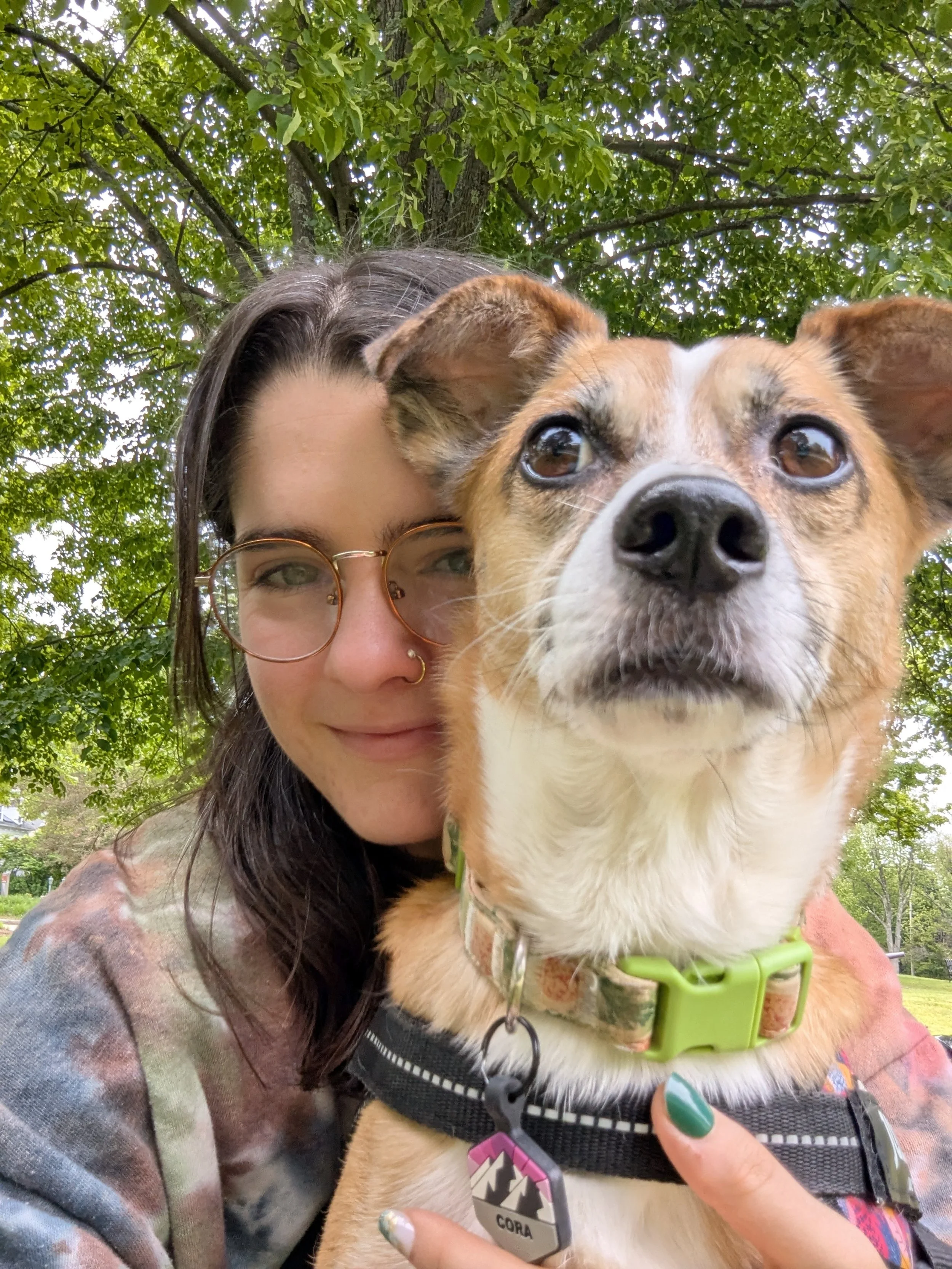
Sadie Cowan
Certified Personal Trainer
Owner
Whatever Works Personal Fitness
